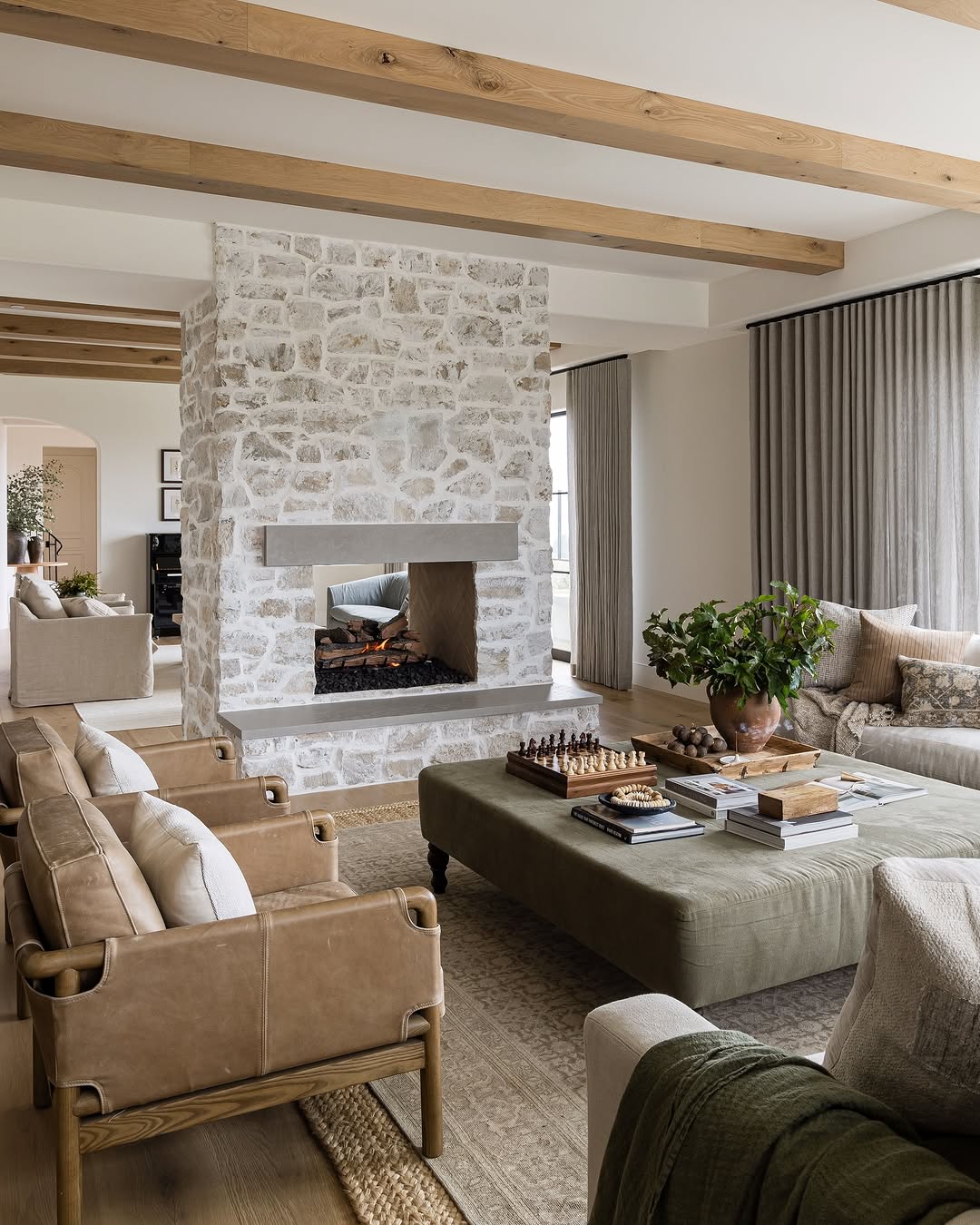
There is a growing appreciation for interiors that feel natural rather than overly manufactured. Timber, stone, linen, wool and woven fibres are being used together to create homes and workplaces that feel comfortable, practical and connected to the natural environment.
Among these materials, Jute Rugs have a particular appeal. Their earthy appearance and tactile surface can soften contemporary interiors without making them feel overly formal. They can also work across a surprisingly broad range of decorating styles, from relaxed coastal homes to modern apartments and professional office spaces.
Choosing a natural fibre rug, however, should involve more than considering its appearance. Different fibres behave differently under foot traffic, furniture pressure, moisture and cleaning. Understanding jute’s characteristics makes it easier to decide where it will work well and where another material may be more appropriate.
Understanding Jute as a Natural Fibre
Jute is a plant-based fibre traditionally obtained from the stems of jute plants. It has been used for generations to make products such as rope, sacks, textiles and woven goods.
Its use in interior flooring is a natural extension of those properties.
Once processed and woven, jute creates a distinctive surface with visible variations in texture and colour. Rather than looking perfectly uniform like many synthetic materials, a jute rug often has small variations that contribute to its natural character.
This is part of its appeal.
For homeowners who prefer interiors with a sense of authenticity, those subtle irregularities can make a room feel more interesting.
Why Jute Has Become Popular in Interior Design
Contemporary Australian interiors increasingly rely on texture rather than strong decoration.
A neutral room can sometimes appear flat when every surface has the same finish. Introducing different textures creates depth without requiring additional colour.
Jute works particularly well in this situation.
Its woven surface contrasts naturally with smooth timber, polished stone, painted walls and upholstered furniture. It can make a minimalist room feel warmer without changing its overall aesthetic.
The natural shades commonly associated with jute also make it relatively easy to coordinate with existing furniture.
Jute Rugs in Living Rooms
The living room is one of the most practical places to introduce a jute rug.
A rug can visually connect a sofa, coffee table and occasional chairs, helping the furniture arrangement feel like a single composition rather than a collection of individual pieces.
Jute is particularly effective when the room already contains natural materials.
Timber flooring underneath the rug can create a layered look, while leather sofas, linen cushions and timber furniture reinforce the natural theme.
For a more contemporary interior, a jute rug can provide warmth against a minimalist backdrop.
The important consideration is size.
A rug that is too small may make the furniture appear disconnected. A larger rug that accommodates the principal seating arrangement will generally create a stronger visual relationship between the furniture and the floor.
Creating a Comfortable Bedroom
Bedrooms are another natural application for jute.
The bedroom doesn’t normally experience the same level of traffic as an entrance or hallway, which makes it suitable for a softer natural fibre.
A jute rug positioned beneath or around the bed can create a warmer transition between the bed and the surrounding floor.
It also introduces texture without relying on complicated patterns.
For people who prefer quiet, neutral bedrooms, this can be particularly effective.
The natural colour of jute works well with white bedding, timber furniture, linen curtains and soft neutral walls.
Jute in a Home Office
Home offices have become an established part of residential design.
A dedicated workspace needs to feel professional enough for work while still fitting comfortably into the home.
A jute rug can help define an office zone within an open-plan room.
For example, a desk and chair can be visually grouped on top of the rug, separating the work area from an adjacent living or dining space without installing a physical partition.
Care should be taken when using jute beneath office chairs with wheels. Continuous movement from chair casters can create concentrated wear, so the particular rug construction should be considered before installation.
Jute Compared with Other Natural Fibres
Natural flooring is not a single category where every material behaves in the same way.
Sisal Rugs, for example, are generally firmer and are valued for their strength and durability.
Jute tends to provide a softer and more relaxed feel.
Seagrass has a smoother, more structured surface and is often chosen for its distinctive appearance and practical qualities.
Abaca provides another type of natural texture and can create a more refined decorative effect.
The choice should therefore be based on the room rather than simply on the popularity of a particular fibre.
A busy hallway may require a different material from a quiet bedroom.
When a Jute Rug May Not Be the Right Choice
Natural flooring works best when its limitations are understood.
Jute is not designed to behave like a synthetic, highly stain-resistant carpet.
Excessive moisture can be problematic, and areas that experience very heavy traffic may benefit from a harder-wearing fibre.
This doesn’t make jute unsuitable. It simply means that the intended environment matters.
For example, a bedroom or moderately used living room can be very different from a commercial entrance receiving hundreds of visitors every day.
Understanding that distinction can prevent disappointment later.
Jute and Australian Interior Styles
One reason jute continues to appear in Australian homes is its adaptability.
It works naturally with coastal interiors, but it isn’t limited to them.
A jute rug can also complement contemporary, Scandinavian, minimalist, rustic and transitional interiors.
In a modern Melbourne apartment, it can soften clean architectural lines.
In a traditional suburban home, it can sit comfortably alongside timber furniture.
In a coastal property, it can reinforce an already natural palette without making the interior feel overly themed.
That flexibility makes jute useful for homeowners who expect their decorating style to evolve.
Custom Sizing Can Make a Difference
Standard rug sizes don’t work for every room.
An unusual living room layout, large open-plan area or long corridor may require dimensions that aren’t readily available.
This is where Custom Rugs can provide a practical alternative.
Instead of selecting a standard size and adjusting the furniture arrangement around it, a custom rug can be planned around the dimensions and function of the room.
This is particularly useful for large Melbourne homes with open-plan living spaces or commercial interiors with unusual layouts.
The objective isn’t simply to make a rug larger or smaller. Proper sizing should consider furniture placement, circulation areas, door openings and the visual proportions of the room.
Combining Jute with Wool
Jute can also be combined with other natural fibres.
Natural JUTE & WOOL Carpets are an example of how different materials can complement one another.
Wool contributes softness, resilience and comfort, while jute introduces natural texture and visual variation.
This type of combination can be useful in rooms where homeowners want the warmth of natural fibres but require characteristics that a single fibre may not provide on its own.
It also demonstrates why flooring selection should focus on performance and purpose rather than simply choosing one material for an entire property.
Caring for a Jute Rug
Good maintenance begins with prevention.
Regular vacuuming helps remove dirt and grit before it becomes embedded within the weave. This is particularly important in areas where people regularly enter from outside.
Furniture should be moved carefully rather than dragged across the rug.
Spills should be addressed promptly using the cleaning method recommended for the specific product.
Because natural fibres can respond differently to moisture and cleaning chemicals, using an unsuitable cleaning treatment can cause more harm than the original spill.
Professional cleaning may be appropriate when a rug requires more extensive attention.
Jute and Sustainable Interior Design
Jute’s plant-based origin is one reason it appeals to environmentally conscious consumers.
It is a renewable natural fibre and is biodegradable.
However, responsible purchasing involves looking beyond the material itself.
Manufacturing, transport, backing materials, packaging and product lifespan all influence the environmental impact of a flooring product.
A well-made rug that remains useful for many years can be a more sensible investment than repeatedly replacing cheaper alternatives.
Maintenance also matters. Looking after the rug properly helps extend its useful life and reduces unnecessary consumption.
Using Different Natural Materials Throughout a Property
There is no requirement to use the same floorcovering in every room.
In fact, different natural fibres can work together very effectively.
A living room may use a jute rug for warmth.
A high-traffic corridor could use Natural SISAL Floorcovering for additional durability.
A relaxed area might incorporate Seagrass Carpets.
An entrance could benefit from Natural COIR Floorcovering.
A feature area may use Abaca Rugs for additional texture.
And in an office environment, Natural Sisal Tiles may provide the flexibility of modular installation.
The result can still feel cohesive because the materials share natural colours and textures.
Making the Right Choice
The most useful question isn’t simply, “Which natural rug looks best?”
A better question is, “What does this room need the flooring to do?”
Consider how many people use the room, whether shoes are normally worn, whether furniture moves frequently, whether moisture is present and how much maintenance is realistic.
A flooring professional can then help match those requirements with an appropriate fibre and construction.
This approach is much more reliable than choosing a product solely because it looks attractive in a showroom or online photograph.
Floorspace Jute Rugs can bring warmth, texture and a relaxed natural character to Australian interiors. They are particularly well suited to bedrooms, living rooms, studies and other areas where comfort and appearance are important. Their renewable plant-based origin also makes them appealing to homeowners who want to incorporate more natural materials into their surroundings.
For homeowners, interior designers and businesses across Melbourne and surrounding suburbs, Floorspace offers Jute Rugs alongside Sisal Rugs, Seagrass Carpets, Custom Rugs and a wider selection of natural flooring solutions, helping clients choose materials that suit the character, traffic and practical requirements of their individual spaces.